
Article: The Skin–Stress Connection: How Cortisol Shapes Sensitivity, Breakouts, and Barrier Health
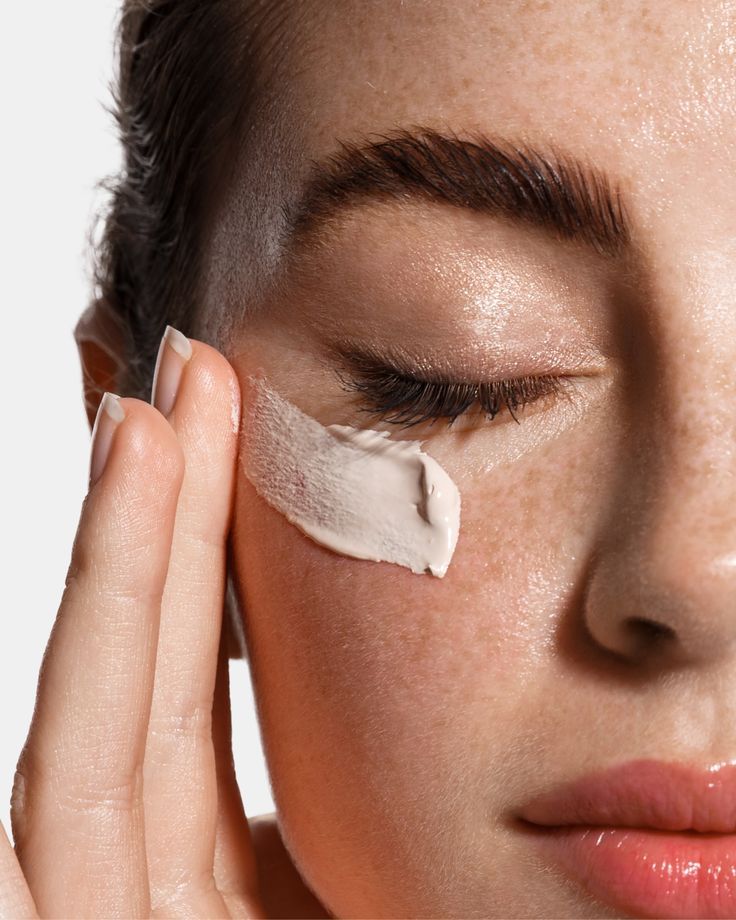
The Skin–Stress Connection: How Cortisol Shapes Sensitivity, Breakouts, and Barrier Health
Stress is often blamed for many things poor sleep, low energy, digestive upset, but its role in skin health is still widely underestimated.
Many women notice that their skin becomes more reactive, congested, or inflamed during periods of emotional pressure, exhaustion, or sustained mental load. This isn’t coincidence, and it isn’t simply “bad skin days”. Our skin can reflect our inner world back to us and symptoms can be a guide to what may be going on inside with our wellbeing and our body’s needs.
At the centre of this stress-skin connection is cortisol, the body’s primary stress hormone. Understanding how cortisol affects the skin helps explain why even the most carefully chosen skincare routine can stop working during stressful periods and why supporting the nervous system is as important as choosing the right products.
What Cortisol Actually Does
Cortisol is produced by the adrenal glands in response to stress. In short bursts, it’s protective, helping the body mobilise energy, regulate blood sugar, and respond to challenge.
Problems arise when stress becomes chronic rather than occasional.
When cortisol remains elevated over time, it begins to alter the way the skin functions:
- Oil production increases
- Inflammation rises
- The skin barrier weakens
- Healing slows
- Sensitivity increases
This shift doesn’t happen overnight. It builds gradually, often alongside other signs of strain such as disrupted sleep, irregular appetite, low resilience, or hormonal imbalance.
Skin, as one of the body’s most responsive organs, often shows these changes early.
Stress and The Skin Barrier
The skin barrier is your first line of defence. It regulates water loss, protects against bacteria and pollutants, and maintains overall skin stability.
Chronic stress disrupts this system in several ways.
Elevated cortisol reduces the production of lipids and ceramides, which are essential for keeping the barrier intact. When these structural components are compromised, the skin becomes more permeable and reactive.
This can present as:
- Increased dryness despite using moisturiser
- Redness or stinging from products previously tolerated
- A feeling of tightness or fragility
- Slower recovery after breakouts or irritation
In this state, the skin is not asking for stronger treatments. It’s asking for support and repair.
Why Stress Triggers Breakouts
Stress-related breakouts are absolutely not driven by poor cleansing or product choice. Stress can even override good nutritional choices and effect the way in which our genome expresses itself.
Cortisol stimulates the sebaceous glands, increasing oil production. At the same time, it alters immune response and inflammation pathways in the skin. This combination creates an environment where congestion and breakouts are more likely, particularly along the jawline, chin, and lower face.
When stress is prolonged, the skin may enter a cycle of:
- Increased oil production
- Blocked pores
- Inflammation
- Slower healing
Adding aggressive actives at this stage often worsens the problem, as the barrier is already under strain.
This is why stress-related breakouts often feel different; deeper, slower to resolve, and more reactive to treatment.
When the Skin Becomes Reactive
When cortisol remains elevated, nerve endings in the skin become more reactive, making the skin appear more sensitive. This can lead to sensations of burning, itching, flushing, or discomfort, even without visible irritation.
This heightened reactivity is the skin communicating that it no longer feels stable.
In these moments, the most effective approach isn’t correction. It’s calming the system as a whole.
The Nervous System and Skin Communication
The skin and nervous system are closely linked. Both originate from the same embryological layer and remain in constant communication throughout life.
When the nervous system is in a state of sustained alert, the skin mirrors that state.
Signals of safety such as regular meals, rest, gentle touch and predictable routines help bring the system back into balance. When these signals are absent, the skin remains reactive, regardless of how many products are applied.
This is why skin often improves during holidays or periods of rest, even when routines are simplified.
Supporting Stressed Skin: A Smarter Approach
When stress is influencing skin health, less is often more.
A supportive approach focuses on:
- Barrier repair over stimulation
- Consistency over intensity
- Tolerance over rapid change
This means choosing formulations that prioritise hydration, lipid replenishment, and anti-inflammatory support rather than strong exfoliation or corrective actives.
Plant-based antioxidants, gentle vitamins, and barrier-supportive ingredients help stabilise the skin while the nervous system recalibrates. In practice, this may look like using a vitamin rich antioxidant serum to support daily repair, followed by a calming moisturiser that maintains hydration without overwhelming the skin.
Within the Beautifully Nourished collection, products such as Vitamin ACE are designed to provide antioxidant protection while remaining supportive to the skin barrier, particularly during periods of stress, fatigue, or hormonal fluctuation.
Equally important is how skincare is used. Slow application, regular timing, and tactile rituals provide sensory input that reinforces calm, something the skin responds to directly.
Recommended Products for Barrier Support
When the skin barrier is compromised by stress and elevated cortisol, the most effective products are those that restore moisture, reduce inflammation, and limit further barrier disruption, not those that accelerate turnover.
Barrier-supportive skincare typically focuses on four key elements: Calming, hydrating, proetcting and overnight recovery
Daily Protective Support
A gentle antioxidant formula helps protect the skin from oxidative stress, which is heightened during periods of emotional or physical strain. Antioxidants such as vitamins A, C, and E support the skin’s natural repair processes while helping to reduce inflammation, particularly important when the barrier is under pressure.
Calming daytime hydration
During the day, the skin benefits from lightweight but protective moisture. A calming moisturiser containing antioxidants such as green tea helps reduce redness, support barrier stability, and defend against environmental stress without overwhelming sensitised skin. Consider adding an hydrating layer before moisturiser also.
Overnight recovery and repair
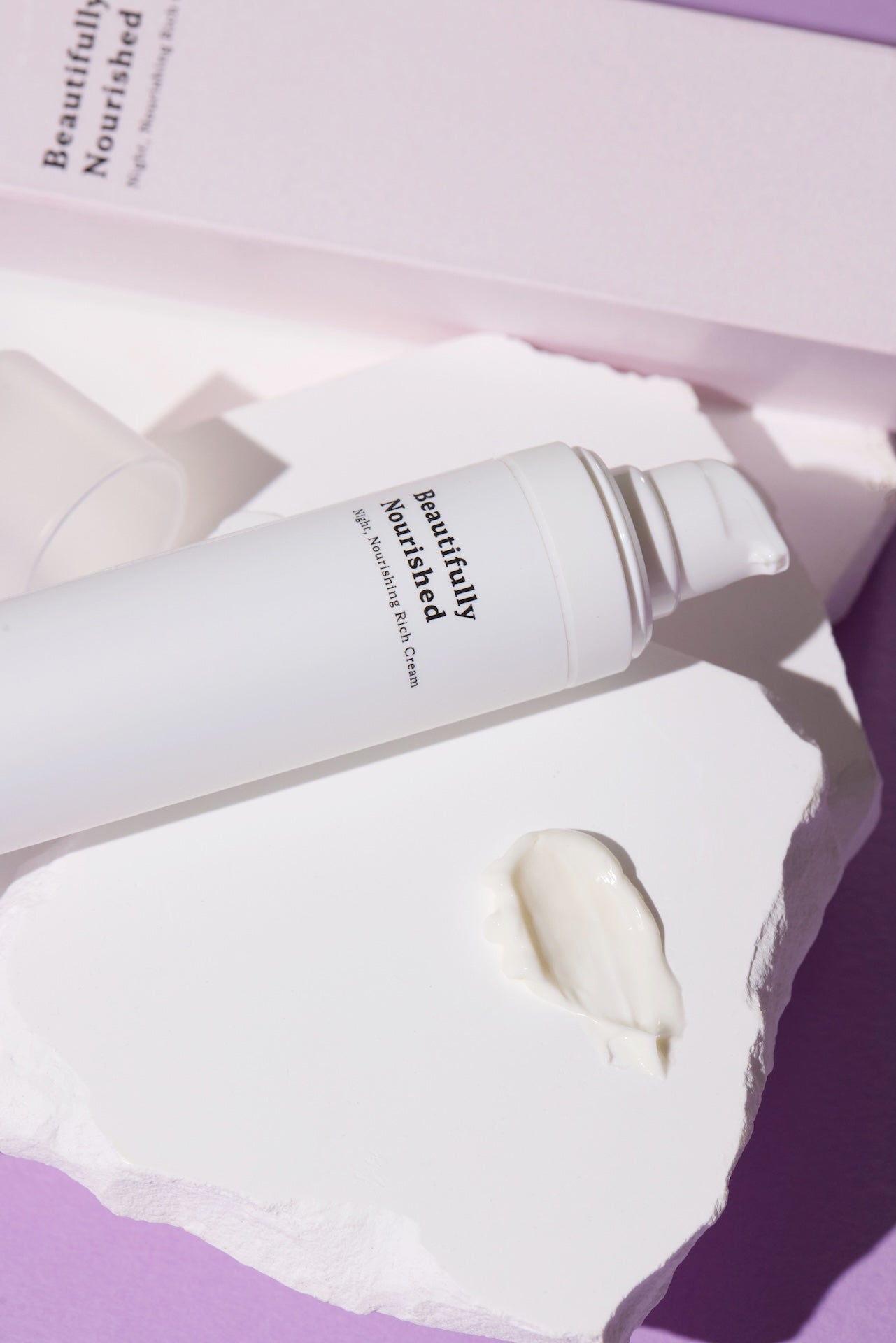
At night, skin repair processes are naturally more active. A replenishing night cream, richer in emollients and barrier-supportive ingredients, helps reduce transepidermal water loss and support lipid balance while you sleep. This step is especially important when cortisol levels have been elevated for prolonged periods.
Together, these products create a supportive environment for recovery, strengthening the skin rather than pushing it.
A Simple Barrier-Supportive Routine
When supporting stressed or sensitised skin, routine matters more than product volume. A simple, consistent approach allows the barrier to recover without overload.
Morning Barrier Support Routine
- Cleanse gently with a low-foaming or non-foaming cleanser.
- Apply a hydrating layer to damp skin (glycerine, panthenol (B5), beta-glucan, or low-weight hyaluronic acid).
- Use a moisturiser formulated to support the skin barrier through hydration, emollients, and calming ingredients.
- Finish with a well-tolerated SPF, as UV exposure slows barrier recovery.
Nighttime Barrier Support Routine
- Cleanse gently to remove the day without stripping the skin.
- Apply a hydrating or calming layer if the skin feels tight or reactive.
- Use a richer night cream to support overnight recovery and reduce moisture loss.
- Seal with a light occlusive layer if needed to limit transepidermal water loss.
If retinol is part of your routine, it should be introduced cautiously, no more than once or twice a week and only once the skin feels stable. As a gentler option, a retinol alternative oil can be used on those evenings to support renewal without compromising the barrier, followed by the Night Cream to maintain hydration and reduce stress on the skin.
This approach prioritises repair before renewal, allowing sensitivity, congestion, and inflammation to settle naturally.
Skin Health as an Integrated system
Skin does not exist separately from the rest of the body. It reflects internal conditions with remarkable accuracy.
When stress is high, skin often asks for gentler care, fewer actives, and greater consistency.
Understanding this connection removes blame from the skin and places it where it belongs, on appropriately supporting the body.
A More Stable Approach to Skin Health
If your skin feels unpredictable, reactive, or difficult to manage, stress may be playing a larger role than you realise.
By supporting the nervous system, protecting the barrier, and choosing formulations that respect both, skin can regain balance, not through force, but through stability.
At Beautifully Nourished, we believe skin health is built through understanding our own body’s needs – inner and outer. Calm, consistent care remains one of the most effective tools available, for both skin and self.


Leave a comment
This site is protected by hCaptcha and the hCaptcha Privacy Policy and Terms of Service apply.